Builders Risk vs. Installation Floater — Which You Need
Two coverages for property under construction, aimed at different parties. Buying the wrong one leaves the fire uninsured.
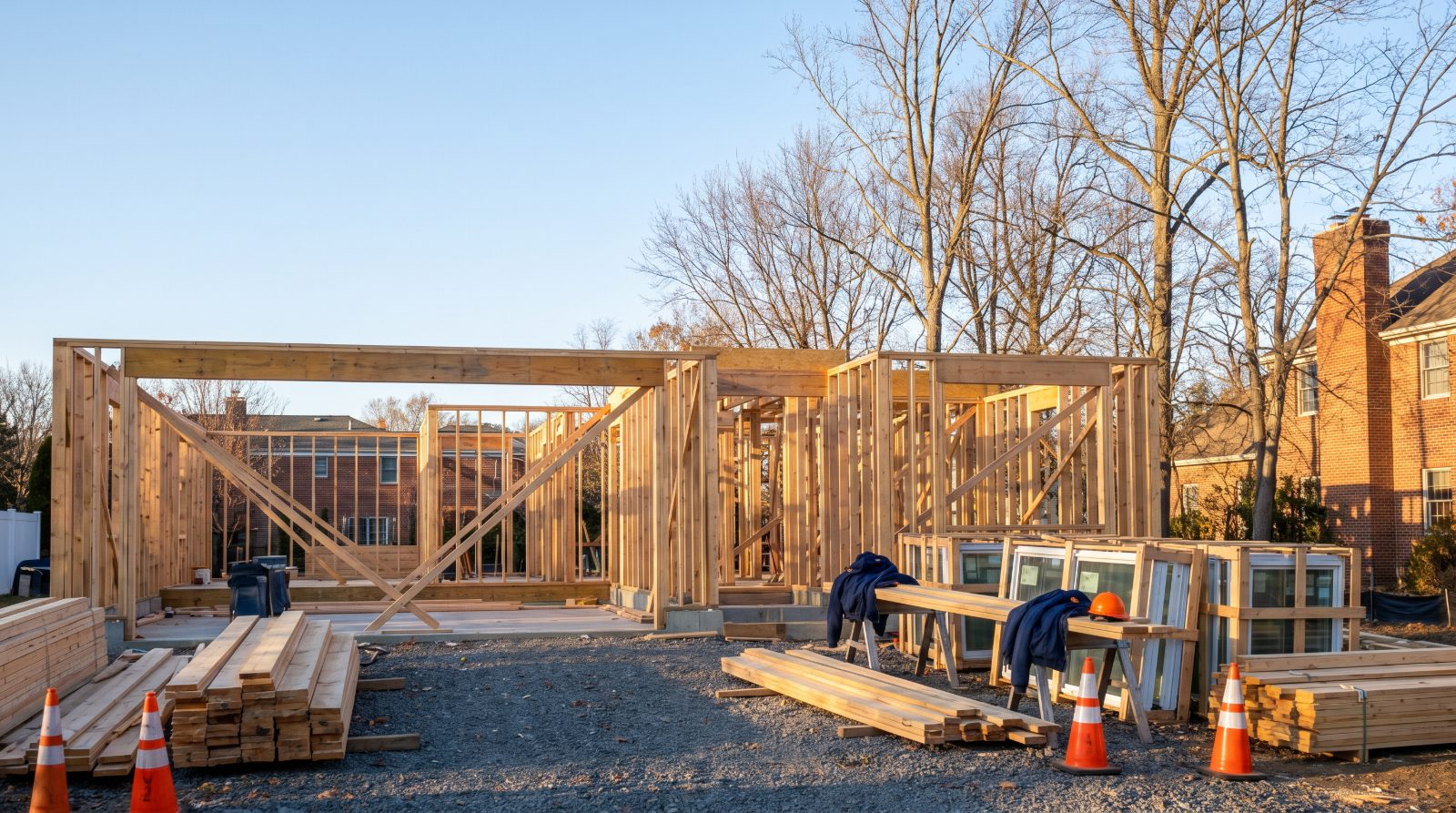
- Builders Risk covers the whole structure under construction, usually bought by the owner or GC.
- An installation floater covers your specific materials and installed work — the sub's version.
- If the owner buys Builders Risk, get named as an insured or their carrier can subrogate against you.
- Coverage ends at occupancy or completion; the handoff to permanent property insurance is where losses fall through.
Two coverages, two parties
Builders Risk is a property policy on a project. It insures the building under construction — plus materials on site, in transit and often in temporary storage — against fire, wind, theft, vandalism and other covered perils, typically at the full completed value of the structure. The owner, developer or general contractor buys it, and the lender is named as mortgagee or loss payee.
An installation floater is inland marine coverage on your materials and equipment being installed. It follows the property from your yard, through transit, onto the site, and until your installation is accepted. HVAC, electrical, plumbing, millwork, glazing and specialty trades are the classic buyers.
The distinction is scope. Builders Risk covers the project. An installation floater covers your piece of it.
Which one do you need?
- You're the owner or developer — Builders Risk, at full completed value, with soft costs and delay coverage if financing depends on the schedule.
- You're the GC on ground-up construction — Builders Risk if the contract puts it on you. Read the contract: many put it on the owner, and buying it twice wastes money while buying it never leaves the job bare.
- You're a sub installing significant materials — an installation floater, unless you're a named insured on the project's Builders Risk with a limit that actually covers your scope.
- You're a remodeler on an occupied home — often neither is required, but the homeowner's policy may exclude or limit coverage during renovation. An installation floater covering your materials plus your GL is usually the right structure, and the homeowner should notify their carrier of the work.
The expensive mistake is a sub assuming the owner's Builders Risk protects them. It insures the owner's interest. Without being named, your materials sitting on site the night of the fire are your loss.
Subrogation — the part subs miss
If the owner's Builders Risk pays for a fire, their carrier acquires the right to recover from whoever caused it. If your torch work started it, that carrier is coming after you and your General Liability for the full building value.
Two protections, and you want both where you can get them:
- Be a named insured on the Builders Risk. A carrier can't subrogate against its own insured.
- A waiver of subrogation in the construction contract, matched by an endorsement on the property policy. AIA contract forms typically include mutual waivers for property-insured losses — but the waiver has to survive into the policy, not just sit in the contract.
Confirm which you have in writing before hot work starts.
Terms that decide the claim
- Completed value vs. reporting form. Completed value insures the finished project value for the whole term — simpler and the norm. Reporting forms adjust to values in place and require actual reporting discipline.
- Wind and named-storm deductibles. At the Jersey Shore, named-storm deductibles run 2–5% of insured value. On a $3M project that's $60,000–$150,000 out of pocket before coverage responds. Budget it as a real number.
- Flood. Frequently excluded or heavily sublimited in coastal and riverine zones. Check the flood zone before you assume.
- Theft of materials. Copper, wire, appliances and lumber walk off sites constantly. Confirm theft is covered and check any sublimit.
- Soft costs and delay in start-up. Covers interest, fees and lost rents caused by a covered loss extending the schedule. Lenders increasingly require it.
- Existing structure on renovations. Standard Builders Risk covers the new work. The existing building needs to be scheduled or covered under the owner's property policy — an enormous gap on additions and gut renovations.
- Faulty workmanship exclusions. Most forms exclude the cost to fix defective work but cover resulting damage. The wording varies significantly between forms; it's worth comparing.
The handoff at completion
Builders Risk terminates on the earliest of several triggers — occupancy, acceptance, completion, or the policy expiration date. Occupancy is the one that surprises people: a partially occupied building can void coverage for the rest of the project unless the policy has been endorsed for it.
Before completion:
- Confirm the permanent property policy incepts the day Builders Risk ends. No gap, not even overnight.
- If the schedule slips, extend the Builders Risk before it expires. Extensions after expiration are difficult and sometimes unavailable.
- Notify the carrier before any partial occupancy or tenant move-in.
- Make sure completed-operations coverage is in place on your GL — from the day of completion, defect exposure runs for up to ten years under New Jersey's statute of repose.
See how we structure Builders Risk, or quote the project alongside your GL and installation coverage.
Frequently asked
What's the difference between Builders Risk and an installation floater?
Who buys Builders Risk, the owner or the contractor?
Do I need coverage if the owner already has Builders Risk?
Does Builders Risk cover flood and windstorm?
When does Builders Risk end?
Want this sorted for your own operation? Quote your whole program in one intake — GL, Workers Comp, Commercial Auto, Tools & Equipment, Umbrella and Builders Risk — or talk to a producer. Reply within one business day.
This article is general information for NJ contractors, not legal or coverage advice. Your actual policy forms, endorsements, exclusions, and conditions control. For specifics, request a quote or call a producer.
More from the blog.
NJ Contractor Insurance Requirements — The Complete Guide
Workers Comp by statute, HIC contract requirements, common GC requirements, lender and public-work requirements — what NJ actually requires, in one place.
ComplianceWhat Your COI Actually Needs (and Why Most Subs Get It Wrong)
An ACORD 25 walkthrough: additional insured wording, primary & non-contributory, waiver of subrogation, 30-day notice — and the gaps subs keep sending GCs.
CoverageNJ Workers Comp for Contractors — Officers, Subs, and the State Fund
Officer coverage rules, sub WC certificates and audit exposure, the State Fund as residual market, and class-code and ex-mod basics.
Stop reading. Start quoting.
You know what you need. Quote your whole program — GL, WC, Auto, Tools, Umbrella, Builders Risk — in one 5–7 minute intake.