The NJ Construction Defect Statute of Repose — Explained
Ten years of exposure after the job is done: how the clock works, how it interacts with occurrence-based coverage, and what happens if you let a policy lapse.
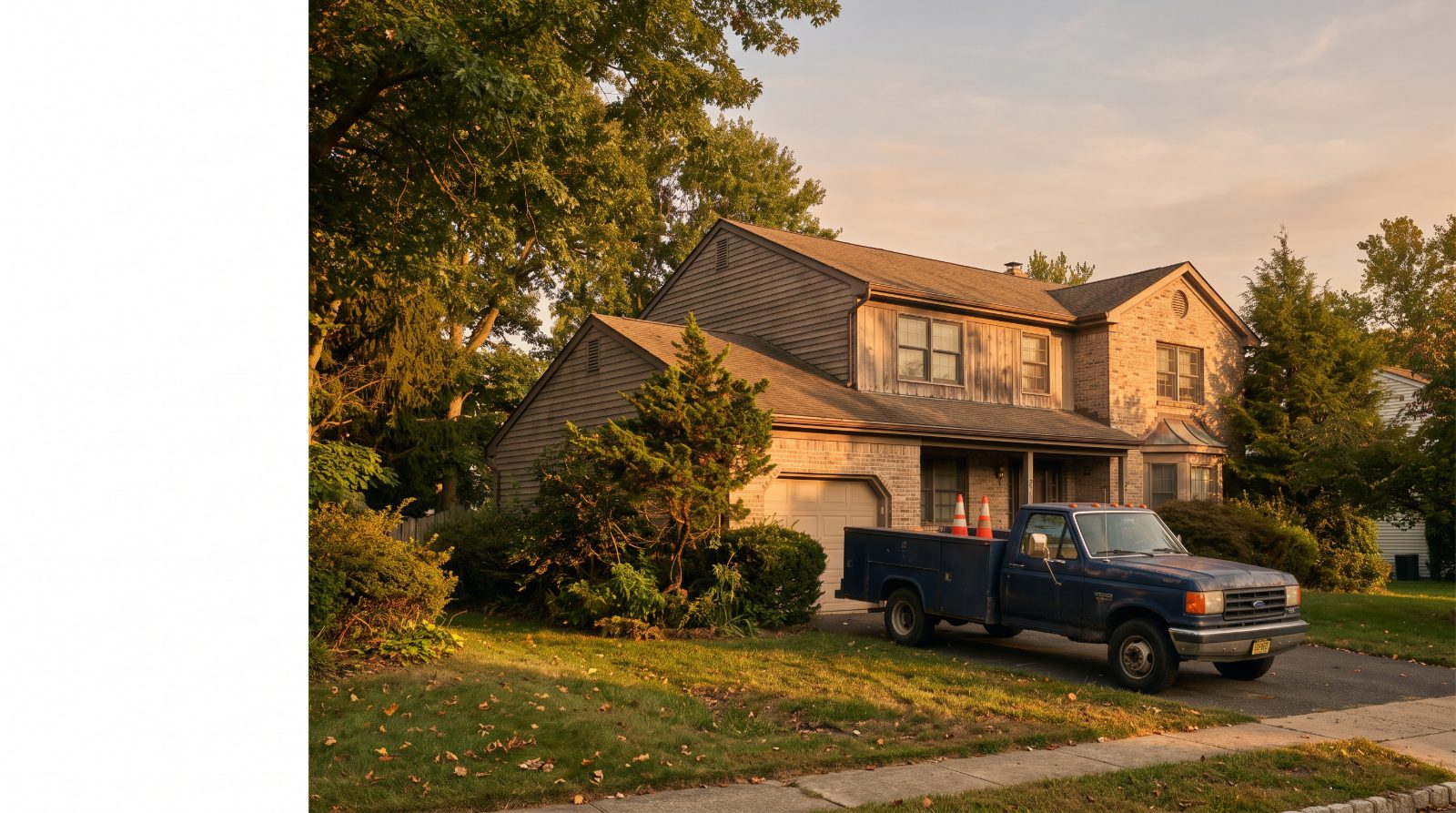
- New Jersey allows construction-defect claims for up to 10 years after substantial completion.
- The statute of repose is an outer deadline; the statute of limitations is a separate, shorter clock that starts on discovery.
- General Liability is occurrence-based, so the policy in force when the damage happened is generally the one that responds.
- Retiring, lapsing, or dropping completed-operations coverage leaves the tail uninsured.
What the statute of repose says
New Jersey's construction statute of repose (N.J.S.A. 2A:14-1.1) bars most claims for deficiencies in the design, planning, supervision or construction of an improvement to real property brought more than ten years after substantial completion of the work. It applies to contractors, subcontractors, architects and engineers.
The important word is "repose." Unlike a statute of limitations, it doesn't wait for the claimant to discover a problem. It's an absolute outer boundary measured from the completion of your work, and when it expires, the claim is extinguished whether or not anyone knew the defect existed.
Note the 2024 legislative activity in this area and the ongoing case law about what counts as substantial completion for phased or multi-building projects — the general rule is stable, but the edges are litigated. If you're facing a specific claim, that's a question for a construction attorney, not a blog post.
Repose vs. limitations — two different clocks
Contractors conflate these constantly, and the distinction determines how long you're really exposed.
- Statute of limitations — generally six years for property damage claims in New Jersey, and it starts when the claimant discovers (or reasonably should have discovered) the injury. A leak found in year eight can start a six-year clock in year eight.
- Statute of repose — ten years from substantial completion, no matter when discovery occurs. It caps the limitations clock.
Put together: a defect discovered in year nine can support a claim filed in year ten, but not in year eleven. A defect discovered in year two must generally be sued on within six years of discovery. Your real-world exposure window on any given job is up to a full decade.
Why occurrence-based coverage matters here
Contractor General Liability is written on an occurrence form. Coverage is triggered by when the bodily injury or property damage occurred, not when the claim is made. That's good news: if the water damage happened in 2027 and you were insured in 2027, that policy responds even if the lawsuit arrives in 2033 and you've since changed carriers or closed the business.
It's also where the gaps come from. Continuous or progressive damage — a slow leak, ongoing settlement — can span multiple policy years, triggering several policies and several deductibles, and carriers will argue about allocation. And if any part of the damage period falls in a year you were uninsured, that portion has no coverage behind it.
Compare that to a claims-made form, used for professional liability. Claims-made only responds if the policy is in force when the claim is made, which is why a tail (extended reporting period) has to be purchased when that coverage ends. If you carry design-build or professional exposure, that tail is a decision you have to actively make.
The three ways contractors lose the tail
- Retirement or closing the business. You stop paying premium; the occurrence policies from prior years still respond to damage that occurred while they were in force, but nothing responds to damage occurring after. For lingering exposure, some contractors keep a minimal policy in place or purchase run-off coverage.
- A completed-operations exclusion. Hard-to-place classes — roofing, EIFS, some residential work — sometimes get quoted with completed operations excluded to hit a price. That deletes coverage for exactly the claims the statute of repose is about. Check your declarations for a products-completed operations aggregate that is a real number.
- A coverage gap. A lapse for non-payment, a month between carriers, a year of "I wasn't working much." Damage occurring in the gap is uninsured, and continuous-damage allocation can pull the gap into an otherwise covered claim.
What actually gets claimed ten years later
The claims that arrive late are rarely dramatic injuries. They're building-envelope and water problems:
- Roof and flashing failures producing interior damage and mold allegations.
- Window and siding installation defects allowing water intrusion into wall assemblies.
- Deck and balcony structural failures — often with an injury attached.
- Grading, drainage and foundation issues on residential subdivisions.
- Plumbing and mechanical failures inside occupied multi-family buildings.
Note what General Liability does and doesn't pay for here. Damage your defective work causes to other property is generally covered. The cost to repair or replace your own defective work generally isn't — that's the "business risk" doctrine, and it's the reason a defect claim rarely gets paid in full the way contractors expect.
What to do about it
- Keep continuous General Liability with completed operations in force — no gaps, ever, even in slow years.
- Confirm the products-completed operations aggregate on your declarations page each renewal.
- Keep closeout documentation: contracts, change orders, inspection sign-offs, photos, substantial-completion dates. The completion date is what starts the ten-year clock, and proving it is your job.
- Collect and keep subcontractor certificates for the full ten years — when a defect claim lands, the subs who did the work are your best defense and your best source of recovery.
- If you're winding down, talk to your producer about run-off before you cancel anything.
Quote your program in one intake if you want the completed-operations structure reviewed alongside your limits.
Frequently asked
How long can a homeowner sue a contractor in New Jersey?
When does the 10-year clock start?
Does my General Liability cover a defect claim years later?
Does GL pay to fix my own defective work?
What if I retire or close the business?
Want this sorted for your own operation? Quote your whole program in one intake — GL, Workers Comp, Commercial Auto, Tools & Equipment, Umbrella and Builders Risk — or talk to a producer. Reply within one business day.
This article is general information for NJ contractors, not legal or coverage advice. Your actual policy forms, endorsements, exclusions, and conditions control. For specifics, request a quote or call a producer.
More from the blog.
NJ Contractor Insurance Requirements — The Complete Guide
Workers Comp by statute, HIC contract requirements, common GC requirements, lender and public-work requirements — what NJ actually requires, in one place.
ComplianceWhat Your COI Actually Needs (and Why Most Subs Get It Wrong)
An ACORD 25 walkthrough: additional insured wording, primary & non-contributory, waiver of subrogation, 30-day notice — and the gaps subs keep sending GCs.
CoverageNJ Workers Comp for Contractors — Officers, Subs, and the State Fund
Officer coverage rules, sub WC certificates and audit exposure, the State Fund as residual market, and class-code and ex-mod basics.
Stop reading. Start quoting.
You know what you need. Quote your whole program — GL, WC, Auto, Tools, Umbrella, Builders Risk — in one 5–7 minute intake.